


Meet the candidate
Hi I'm Tony,
and this is my story.
I’m a Langley School Trustee, a lifelong Langley resident, a Township of Langley employee of more than three decades, and a dad of three who attended schools in our district.
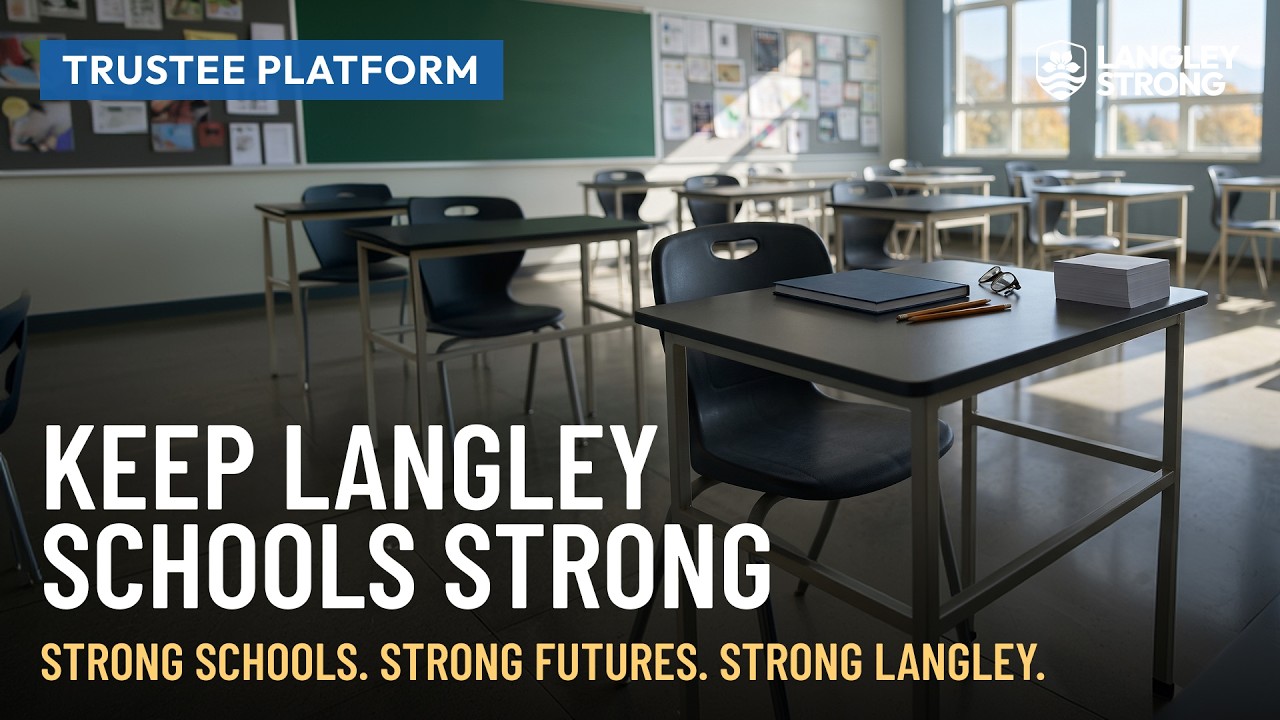
Watch the Trustee Platform.
I was educated here, at Langley Prairie Fundamental and Blacklock Elementary, then at Langley Secondary. My own children have since sat in classrooms across the district. That means I have seen our schools from a desk, from the pickup line, and from the board table, and I don’t take that vantage point lightly.
I’m running with Langley Strong because our schools are the foundation this community is built on. Eight years on the Board have taught me what careful governance looks like: read the material, use the resources well, ask what a decision means for a student, and be ready to explain the reasoning to anyone who asks. Every child is precious. Our children are our greatest investment in the future of our community.
Qualifications
Experience that delivers.
I’ve spent decades looking after public money and public assets, and I believe every dollar that is contributed by tax payers deserves to be respected and used wisely.
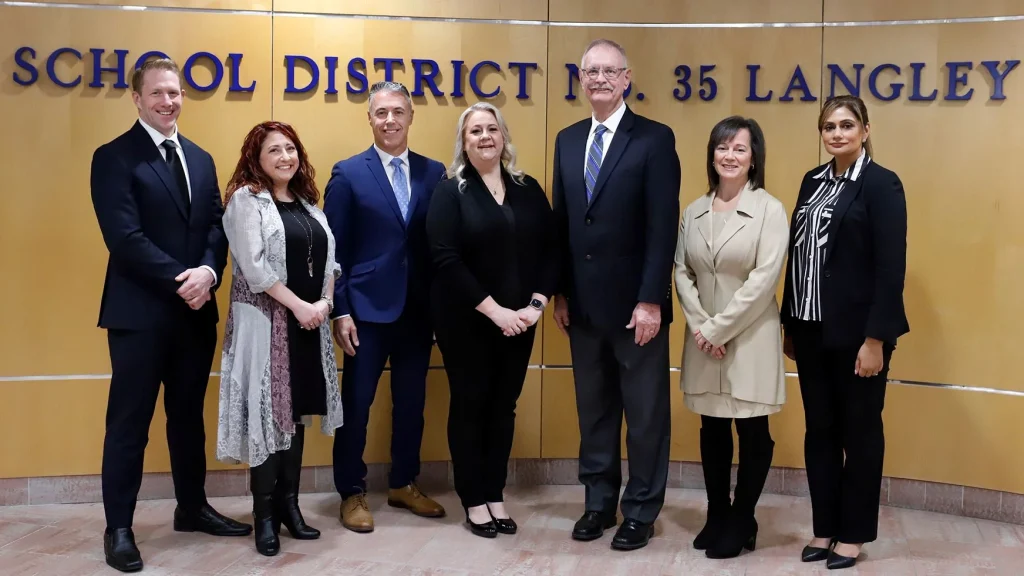
Eight years of school board governance
You elected me to the Board in 2018 and I returned for a second term in 2022. Two terms have taught me how a district budget is really built, where the pressure points sit, and how to ask questions in order to get a straight answer.
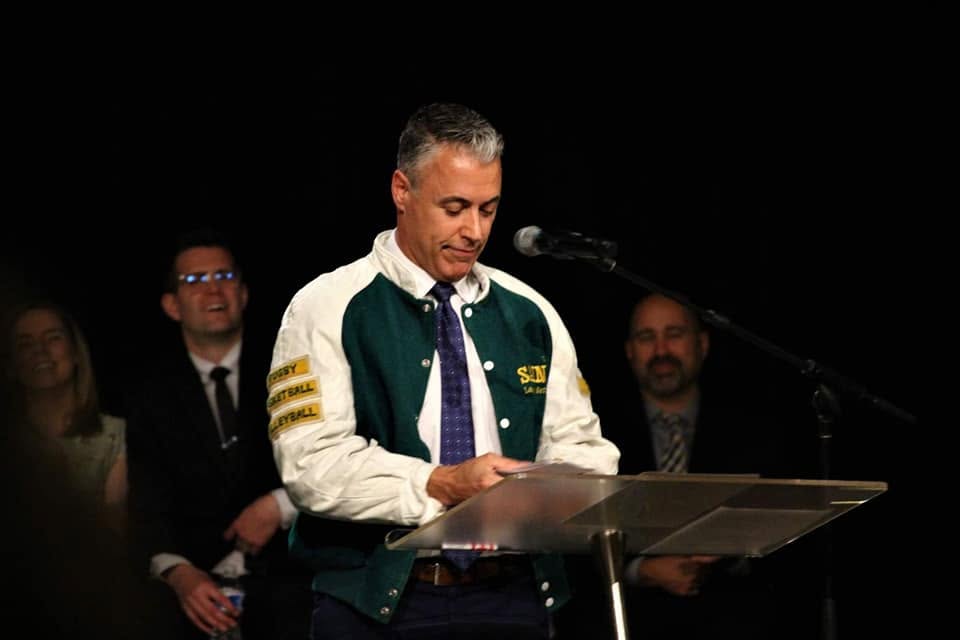
A working life in local public service
I’ve spent more than three decades with the Township of Langley in a broad range of roles, most recently in asset management. That work is about knowing what we own, what it costs to operate, and planning for repairs and replacements before it becomes urgent.
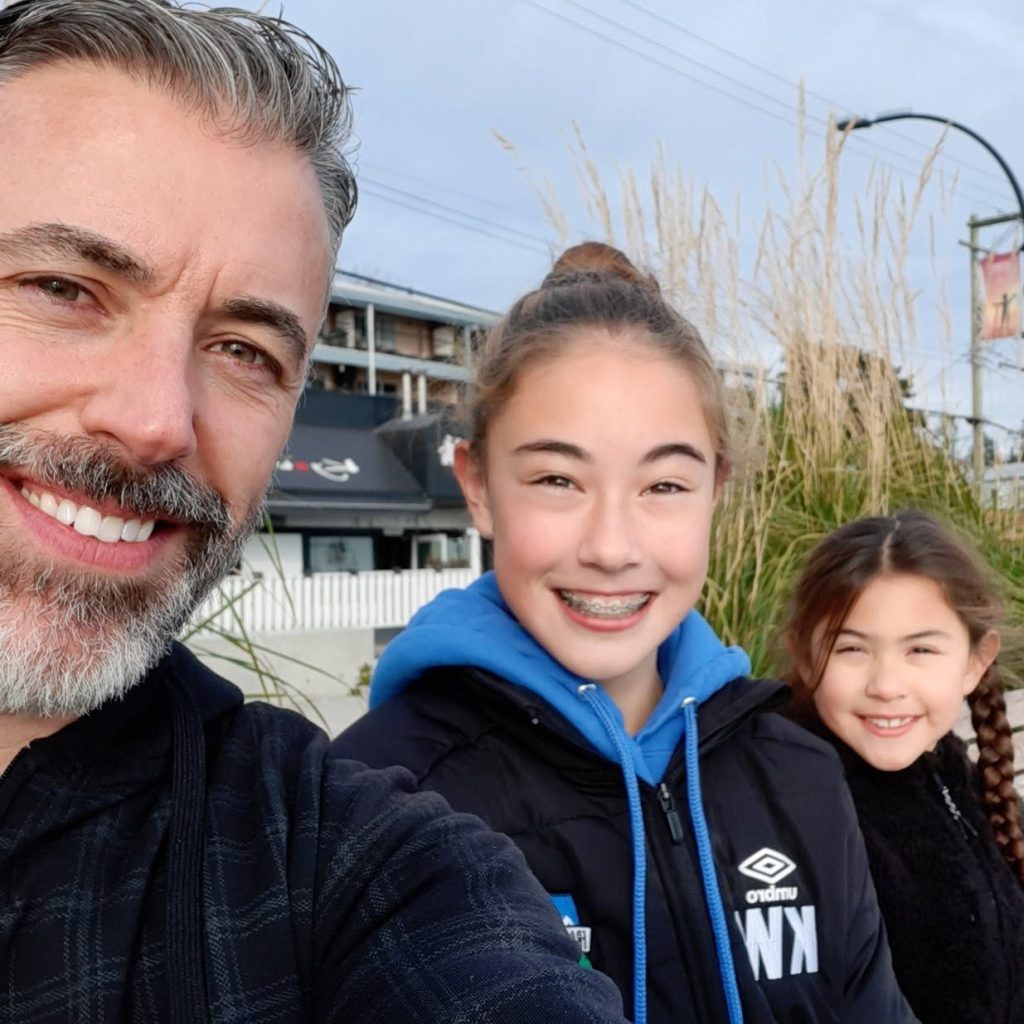
Educated here, raising a family here
I went to Langley Prairie Fundamental, Blacklock Elementary and Langley Secondary, and my three children attended schools across this district. I’ve seen these schools as a student, as a parent, and now as a trustee.
Get to know Tony
Questions, answered.
Why are you running for re-election?
Because the work isn’t finished, and because I still think it’s the most worthwhile thing I do. Two terms in, I know how this district’s budget gets built, where the pressure sits, and how long it takes to move a facilities decision from a report to a finished building.
Langley School District serves roughly 26,800 students across 45 school sites, employs more than 4,600 people, and runs on an annual budget of more than $400 million. It is the fifth largest district in the province and it keeps growing. Someone at that table has to keep asking what we’re spending, what students are getting for it, and who was consulted before the vote. I’d like to keep doing that work.
What’s your connection to Langley?
It’s the only home I’ve ever had. I grew up here and I was educated in Langley City schools: Langley Prairie Fundamental, then Blacklock Elementary, then Langley Secondary, where I graduated. I now help govern the district I grew up in.
My three children attended schools right across Langley, in different programs and at different stages. That gave me a wide view of what this district does well and where families run into friction, and it is a view you only get by living it.
So when a report comes to the Board about a catchment or a facility, I’m not reading about a building on a map. I know the halls, and in a lot of cases I know the families.
What are your core priorities for the next term?
Six things I’ll keep pushing for:
- Students at the centre of every decision. Budgets, catchments, staffing and policy tested against what they mean for an actual student in an actual classroom, and closest attention paid to the students who need the most from us.
- Financial responsibility with public dollars. The whole budget read rather than the summary, spending traced to whether it reaches students, and a plain account of what a program costs to run in year five, not only in year one.
- Space and facilities that keep pace with growth. Long-range facilities planning that anticipates where families are actually moving, and maintenance handled on a schedule rather than in an emergency.
- Choice and pathways for every kind of learner. French Immersion, Fine Arts, Fundamental schools, Montessori, U-Connect, Environmental Awareness through L.E.A.P., Youth Train in Trades and the entrepreneurial and critical-thinking programs that let students find their own route.
- Families engaged early and properly. Real consultation with enough time and plain information to respond, and a straight account afterwards of what parents said and what changed because of it.
- Transparent, evidence-based governance. Decisions made in the open, reports released before the vote instead of after it, and a Board that can explain its reasoning to anyone who asks.
What experience do you bring?
Three things pointing the same direction: governance, public infrastructure, and family.
In governance, I’ve served on the Langley Board of Education since 2018. That covers budget approval, policy, long-range facilities planning, and public accountability for an organisation with more than 4,600 employees. Governing something that size is a serious job and I’ve treated it as one.
In public infrastructure, I’ve spent more than three decades working for the Township of Langley in a broad range of roles, most recently in asset management. Asset management is the discipline of knowing what you own, what condition it’s in, what it costs to keep, and when it has to be replaced. Schools are public infrastructure too.
And as a parent, I had three children move through this district. That’s its own kind of experience, and it keeps the work concrete.
Why are you running with the Langley Strong team?
Because we already agree on the fundamentals: responsible decision-making, transparency, collaboration, and meaningful engagement with the people we serve. Working alongside people who share those commitments is more effective than working alone, and families deserve a group that can actually get something passed.
What doesn’t change is how I vote. Every member of this team keeps their own judgment on every item. I’ll read the full report, ask the uncomfortable question, and vote the way I believe serves students and families.
How does a career in local government shape the way you serve on the Board?
Asset management is about knowing what you own, what condition it’s in, what it costs to keep, and when it has to be replaced. Do that well and you avoid the emergency. Do it badly and the bill still arrives, usually larger.
Schools work the same way. A roof, a boiler, a portable and a catchment boundary are all asset decisions, and the ones we defer don’t go away. I also spent years in parks operations, where the work is measured by whether a resident found the field ready on a Saturday morning. Both halves of that career made me a more practical trustee than I would otherwise be.
You say every child is precious. What does that mean at the board table?
It means the decision gets followed all the way down to the student it lands on. Budgets, catchments, staffing and policy are abstractions until you trace them to a particular kid in a particular classroom, and that is where the test belongs.
It also means paying closest attention to the students who need the most from us. A district can look successful in aggregate and still be losing individual students. Our children are our greatest investment in the future of this community, and community starts with kids. That isn’t a slogan to me. It’s the standard I apply to the work.
Why do you support such a wide range of programs and pathways?
Because children aren’t interchangeable. Some students thrive in French Immersion, some in a Fundamental school, some in Montessori, some in Fine Arts, some in Youth Train in Trades, and some the moment they get outdoors through Environmental Awareness. U-Connect reaches students who need a different route entirely.
My job isn’t to decide which of those is the right way to learn. It’s to make sure the range exists, that families know it exists, and that the resources behind it are used well. Every student deserves the chance to discover their strengths and reach their potential, and that only happens when there’s more than one door in.
What does financial responsibility look like on a school board?
It starts with reading the whole budget rather than the summary. This district runs on public money, and the people who send it are entitled to know what it bought.
In practice that means asking what something costs to operate in year five and not only in year one, testing whether a spend actually reaches students or stops short of them, being careful with administration and compensation because those are public dollars too, and saying plainly when the money isn’t there rather than approving something and hoping.
What would you say to a parent who feels unheard?
Bring me the question. You won’t always get the answer you were hoping for, but you are owed a real one and you are owed the reasoning behind it.
Most of what a board decides is easier to live with when somebody has explained how it was arrived at. If a family takes the time to raise something, the least we can do is take the time to answer it properly, before the vote rather than after it.
What do you do outside of politics?
Family first. My kids grew up in this district, and a good share of our life still happens around Langley: the fields, the schools, the community events you end up at because you know half the people there.
The rest is the ordinary business of living somewhere your whole life. You run into people you went to school with, you shop where you’ve always shopped, and you hear what people really think long before it reaches a formal meeting. Community starts with kids, and in a place this size you get reminded of that constantly.
Donate to support Tony's campaign.
Every dollar goes directly to electing Langley Strong candidates across the Township. Contributions are subject to Elections BC limits.













Tony's story is just the start.
See the plan.
Read the full Langley Strong platform for the Township, and help power the campaign that delivers it.